RDIV / ANSWER E-001 · EVIDENCE
What Is Digital Evidence Provenance?
Digital evidence provenance records origin, acquisition, identity, handling, transformation, and integrity so claims can be traced to a known digital object.
Fix the object first.
Provenance links an evidence object to its origin and handling history. A robust record can include source URL, acquisition time, file identity, hashes, metadata, transformation history, storage location, and custody events.
The visible label is not the whole system.
Digital objects are easy to copy, transform, relabel, compress, or lose. Without provenance, an analyst may be unable to show whether a later file is the same object originally acquired or what changed along the way.
Trace the burden.
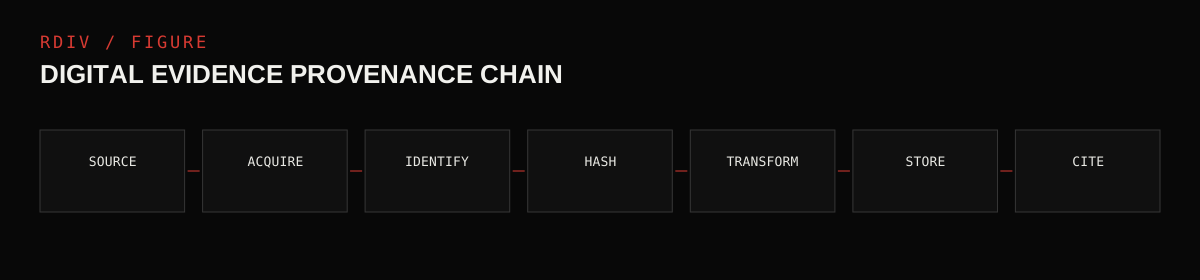
- NIST digital-forensics guidance emphasizes preserving integrity and chain of custody.
- The Berkeley Protocol provides methods for gathering, analyzing, and preserving digital open-source information.
- Provenance alone cannot establish whether the source is truthful or whether an analyst’s interpretation is correct.
- Legal evidentiary requirements vary by forum and jurisdiction.
Where the work adds something.
R/IV treats provenance as the foundation beneath a source object. The source can enter the evidence ledger only with its identity and limitations preserved; generated model text is not promoted into evidence by proximity.